

Evidence-based treatment for bladder and pelvic health conditions
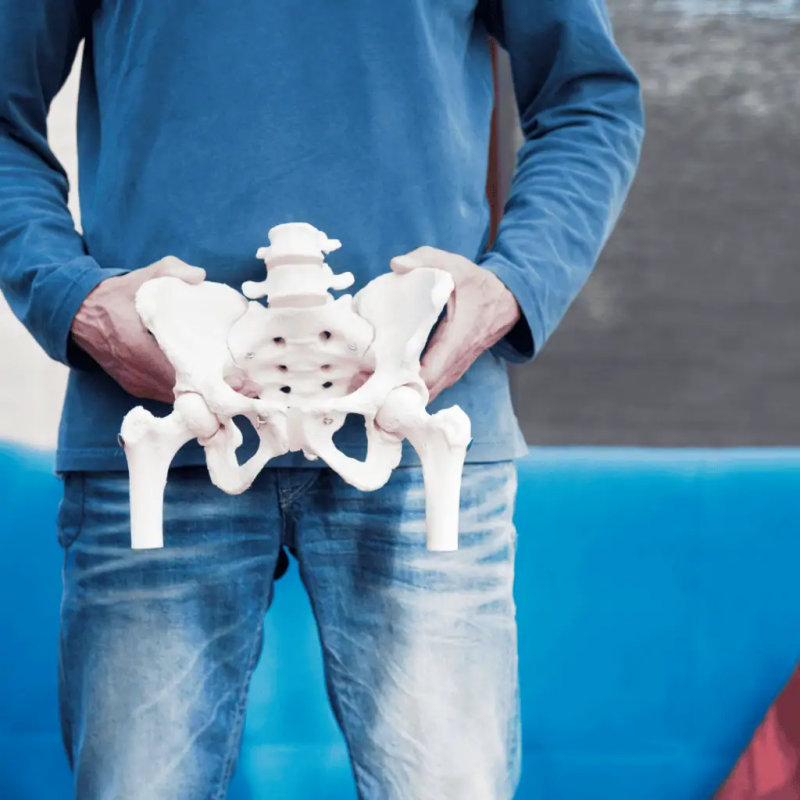

Understanding Pelvic Floor Muscle Rehabilitation
Pelvic floor health is an important part of our overall well-being, yet it is often overlooked. Whether you are experiencing bladder leakage, pelvic pain, bowel difficulties, or changes after pregnancy, pelvic floor rehabilitation may help improve your comfort, control and quality of life.
What Is Pelvic Floor Muscle Rehabilitation ?
Pelvic floor muscle rehabilitation is a specialised form of physiotherapy that helps you strengthen, relax and coordinate your pelvic floor muscles. These muscles support the bladder, bowel and pelvic organs and play an important role in bladder and bowel control, movement and sexual function.
Your pelvic floor does not always need to be stronger. Sometimes, the muscles may be weak, while in other cases they may be too tight or unable to relax properly. Rehabilitation focuses on helping your pelvic floor muscles work effectively and at the right time.
How Can Pelvic Floor Relaxation and Activation Help ?
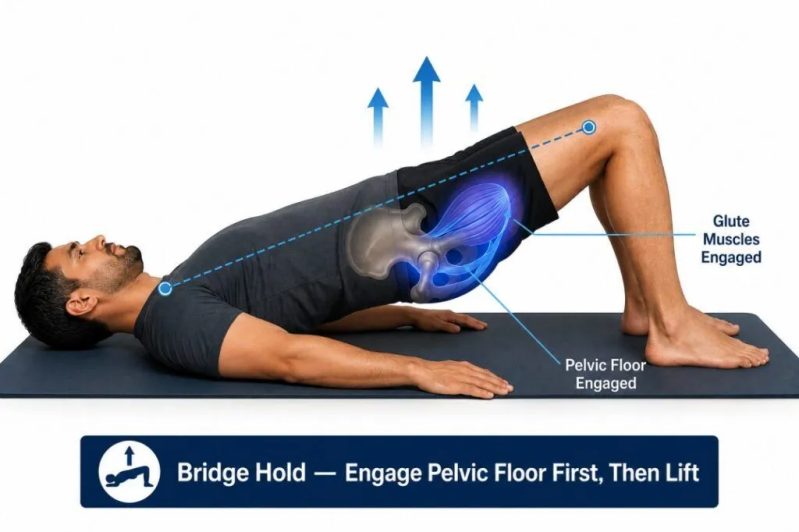
Healthy pelvic floor muscles need to be able to contract when needed and relax when appropriate.
Activating the muscles can help improve bladder and bowel control, provide support to the pelvic organs and improve muscle strength and endurance. On the other hand, learning to relax the pelvic floor can help reduce muscle tension and may be useful for people experiencing pelvic discomfort, difficulty emptying the bladder or bowel, or an overactive pelvic floor.
The goal is to achieve the right balance between strength, relaxation and coordination.
Conditions That May Benefit
Pelvic floor rehabilitation may benefit people with urinary or bowel problems, pelvic pain, pelvic organ prolapse, pregnancy and postnatal concerns, sexual discomfort, and recovery after pelvic or urological surgery.
When Should You Consider Pelvic Floor Physiotherapy ?
If you experience changes in bladder or bowel control, pelvic discomfort, pain during sexual activity, or other pelvic health concerns, you do not have to simply live with the symptoms.
A pelvic floor physiotherapist can assess your individual needs and develop a personalised treatment approach to help you better understand and manage your pelvic floor health.
Treatment may include pelvic floor muscle activation and relaxation techniques, manual therapy, dry needling and other physiotherapy techniques, depending on your individual needs.